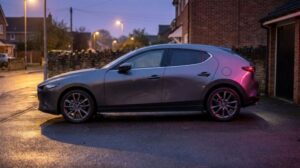
Buying your first car is an exciting milestone, but the vehicle you choose can make a big difference to how much you pay for insurance.Two cars with similar purchase prices can have very different insurance premiums, so it’s worth checking the cost of cover before making your decision.
About this guide: At A Choice, we specialise in learner and young driver insurance, helping drivers find suitable cover whether they’re still learning or have recently passed their test.
This guide explains what affects the cost of insuring different cars and how to make a more informed choice. A Choice is a trading style of Premium Choice Limited, which is authorised and regulated by the Financial Conduct Authority (firm reference number 312245).
Last updated: November 2026
Why does your choice of car affect insurance costs?
When calculating your insurance premium, insurers consider several factors, including your age, driving experience, where you live and the vehicle you want to insure. Some cars are considered more expensive to insure because they may cost more to repair, have higher performance or be more attractive to thieves. For young drivers, choosing a car that’s generally less expensive to insure could make a significant difference to the overall cost of getting on the road. However, a cheaper car doesn’t always mean cheaper insurance. The exact make, model and specification can all influence the price.
What are car insurance groups and why do they matter?
Car insurance groups are commonly used to help assess the relative risk of different vehicles. Under the traditional UK system, cars are assigned an insurance group between 1 and 50.
- Lower insurance groups: Generally contain vehicles considered less expensive to repair or replace, or with lower overall insurance risk.
- Higher insurance groups: Often include more powerful, expensive or complex vehicles.
For example, a small hatchback with a modest engine may have a lower insurance group than a high-performance sports car. However, insurance groups are only one factor in the price of cover. Two drivers insuring the same car can receive very different quotes.
The industry is also moving towards a more detailed Vehicle Risk Rating system, which considers performance, safety, security, damageability and repairability.
When comparing cars, it’s worth checking the insurance group or vehicle risk rating where available, but the best way to understand the potential cost is to obtain an insurance quote for the exact vehicle you’re considering.
Different versions of the same model can have different ratings, so check the engine, trim and specification rather than relying on the model name alone.
What else about your car affects the cost of insurance?
Engine size and performance
Cars with larger or more powerful engines can be more expensive to insure, particularly for younger drivers.
However, engine size alone doesn’t determine the cost. Insurers also consider factors such as performance, acceleration and claims experience.
A smaller, lower-powered vehicle may be a more affordable starting point for a first-time driver.
Vehicle value
The value of your car can affect your premium because a more expensive vehicle may cost more to replace if it’s stolen or written off.
However, cheaper vehicles aren’t automatically cheaper to insure, particularly if repairs are expensive or the model has a higher claims risk.
Security features
Security can also influence insurance costs.
Cars with factory-fitted alarms, immobilisers and other security features may be considered less vulnerable to theft.
Where the car is kept overnight, such as in a garage, on a driveway or on the road, can also affect the price.
Modifications
Modifications can change how insurers assess a vehicle.
Common examples include:
- Aftermarket alloy wheels.
- Body kits and spoilers.
- Engine remapping or performance tuning.
- Exhaust modifications.
- Non-standard suspension.
Even cosmetic changes can affect insurance, so always tell your insurer about modifications and check whether they’re accepted before buying or altering a vehicle.
Failing to disclose relevant modifications could affect your cover or result in a claim being declined.
Age and repair costs
The age of a car can affect the cost of replacement parts and repairs.
An older vehicle may have a lower purchase price, but parts could be harder to source. Similarly, newer vehicles with advanced technology can sometimes be more expensive to repair.
This is why it’s important to compare insurance quotes rather than assuming an older car will always be cheaper to insure.
How can you choose a first car that’s cheaper to insure?
f you’re buying your first car, there are a few things worth considering before making your decision.
1. Compare different makes and models
Don’t limit yourself to one vehicle. Comparing several options could help you find a car that’s more affordable to insure.
2. Check the exact engine and specification
Different versions of the same car can have different insurance costs. A higher-performance model may be considerably more expensive than a standard version.
3. Consider insurance groups
Cars in lower insurance groups can be a useful starting point, although the final quote will depend on your circumstances.
4. Check for modifications
If you’re buying a used vehicle, ask whether any modifications have been made and confirm whether your insurer will accept them.
5. Get an insurance quote before buying
This is one of the most important steps. A car might seem affordable until you discover how much the insurance will cost.
With A Choice, you can explore young driver insurance options before making your final decision.
Why should you get an insurance quote before buying a car?
Getting an insurance quote before buying your first car can help you avoid unexpected costs.
You don’t need to own a vehicle to obtain a quote. You can use the registration number or exact make and model of a car you’re considering.
You’ll usually need to provide information such as:
- Your age, address and driving licence details.
- The vehicle’s registration number or exact specification.
- Where the car will be kept overnight.
- Your estimated annual mileage.
- Who will drive the car and who will be the main driver.
- When you expect the insurance to start.
You can then compare the cost of insuring different vehicles before committing to a purchase.
Remember to check the level of cover, excess and policy conditions, not just the quoted premium.
Can black box insurance help young drivers?
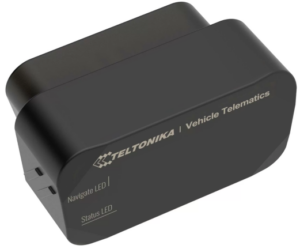
Black box insurance, also known as telematics, is one option available to young drivers.
Telematics policies use a device fitted to the vehicle or a mobile app to monitor aspects of driving behaviour, such as speed, braking, mileage and the times you drive.
Some young drivers may find telematics insurance more affordable, although this depends on their circumstances and the policy.
Black box policies can also have conditions or restrictions, so it’s important to understand how they work before choosing cover.
A Choice offers both telematics and non-telematics young driver insurance options, subject to eligibility.
Find out more in our telematics frequently asked questions.
Why is declaring the correct main driver important?
When arranging car insurance, you must accurately declare who will be driving the vehicle most frequently.
For example, if a young driver is the main user of a car, naming a parent as the main driver to obtain cheaper insurance is known as fronting.
Fronting is a form of insurance fraud and can have serious consequences, including claims being declined or policies being cancelled or treated as invalid.
A parent may be added as a named driver where this accurately reflects how the car will be used and the insurer allows it.
Always provide accurate information when arranging your insurance.
How does the excess affect young driver insurance?
The excess is the amount you’re responsible for paying towards a claim, where applicable.
There are two common types:
- Compulsory excess: An amount set by the insurer.
- Voluntary excess: An additional amount you may choose to pay towards a claim.
If both apply, they are normally added together.
Some young driver policies also have additional excesses based on the driver’s age or experience.
Choosing a higher voluntary excess may reduce your premium, but it also increases the amount you could have to pay if you make a claim.
Always check the total excess and only choose an amount you could afford.
Frequently asked questions about choosing a car and insurance costs
What is the cheapest car to insure for a young driver?
There’s no single cheapest car for every young driver.
Vehicles in lower insurance groups may be more affordable to insure, but the final price depends on your age, location, driving experience and other individual circumstances.
The best approach is to compare quotes for several cars before buying.
Does a smaller engine mean cheaper car insurance?
A smaller engine can sometimes mean cheaper insurance, particularly if the vehicle has lower performance.
However, insurers consider several factors beyond engine size, including repair costs, vehicle value and claims experience.
Are older cars cheaper to insure for young drivers?
Not necessarily.
Although older cars may be cheaper to buy, they can sometimes be more expensive to repair or have fewer modern safety and security features.
It’s worth comparing insurance quotes for both older and newer vehicles.
Do car modifications increase insurance costs?
They can. Modifications may affect the price or availability of cover, depending on the changes and the insurer.
Always declare any modifications and check whether they’re acceptable before buying or modifying a car.
Can I get an insurance quote before buying my first car?
Yes. You can get a car insurance quote before purchasing a vehicle.
This can help you understand the overall cost of owning the car and compare different models before deciding.
Can I insure my first car while I’m still learning to drive?
Yes. If you have a provisional driving licence, you may be able to arrange learner driver insurance for your own car.
A Choice offers learner driver insurance options for drivers who want to practise in their own vehicle.
Get a young driver car insurance quote with A Choice
Choosing your first car is an important decision, and understanding the cost of insurance before buying can help you avoid unexpected expenses.
A Choice specialises in learner and young driver insurance, offering options for drivers who are still learning and those who have recently passed their test.
Whether you’re comparing cars or getting ready to arrange your first policy, we can help you explore suitable insurance options.
Thinking of buying your first car? Check how much it could cost to insure before making your decision.
Explore our young driver insurance options or get a car insurance quote with A Choice.