
Turning 17 is an exciting milestone, especially when you’re ready to start learning to drive. But before you get behind the wheel, it’s important to understand how car insurance works and what cover you’ll need.
Whether you’re practising in your own car, learning in a family member’s vehicle or preparing for your first policy after passing, there are different insurance options to consider.
About this guide:
At A Choice, we specialise in learner and young driver insurance, helping drivers find suitable cover throughout their driving journey.
This guide explains the different stages of car insurance for 17-year-olds, what affects the cost and what to consider when choosing your policy.
It includes links to our own pages. A Choice is a trading style of Premium Choice Limited, which is authorised and regulated by the Financial Conduct Authority (firm reference number 312245).
Last updated: November 2026
Stage 1: Car insurance for 17-year-old learner drivers
When you start learning to drive at 17, you’ll need suitable insurance to practise outside your professional driving lessons.
If you’re taking lessons with an instructor in their car, you’ll normally be covered by their insurance.
However, if you want extra practice in your own car or a family member’s vehicle, you’ll need learner driver insurance.
There are two main options.
Annual learner driver insurance
Annual learner driver insurance can be a good option if you own a car or plan to practise regularly while learning.
Depending on the policy, benefits can include:
- Cover for regular supervised driving practice.
- The opportunity to start building a No Claims Bonus while learning.
- Insurance options that don’t require a black box while you hold a provisional licence.
- The possibility of continuing your policy when you pass your driving test, subject to underwriting and any additional premium.
With eligible A Choice annual learner policies, passing your test doesn’t automatically mean cancelling your existing insurance and arranging a new policy.
Instead, you may be able to continue your cover when you become a full licence holder, subject to the insurer’s acceptance and terms.
Short-term learner driver insurance
Short-term learner insurance may be more suitable if you only need occasional practice in a family member’s car.
This allows you to arrange cover for a limited period rather than committing to an annual policy.
Alternatively, you may be able to be added as a named driver on a parent’s or family member’s existing policy, depending on the insurer.
It’s worth comparing the different options, including the cost, excess and how claims could affect the vehicle owner’s No Claims Bonus.
Explore our learner driver insurance options and find cover that suits your circumstances.
What are the rules for practising at 17?
When practising with a family member or friend, there are legal requirements you must follow.
According to GOV.UK, your supervising driver must:
- Be at least 21 years old.
- Be qualified to drive the type of vehicle you’re learning in.
- Have held a qualifying full driving licence for at least three years.
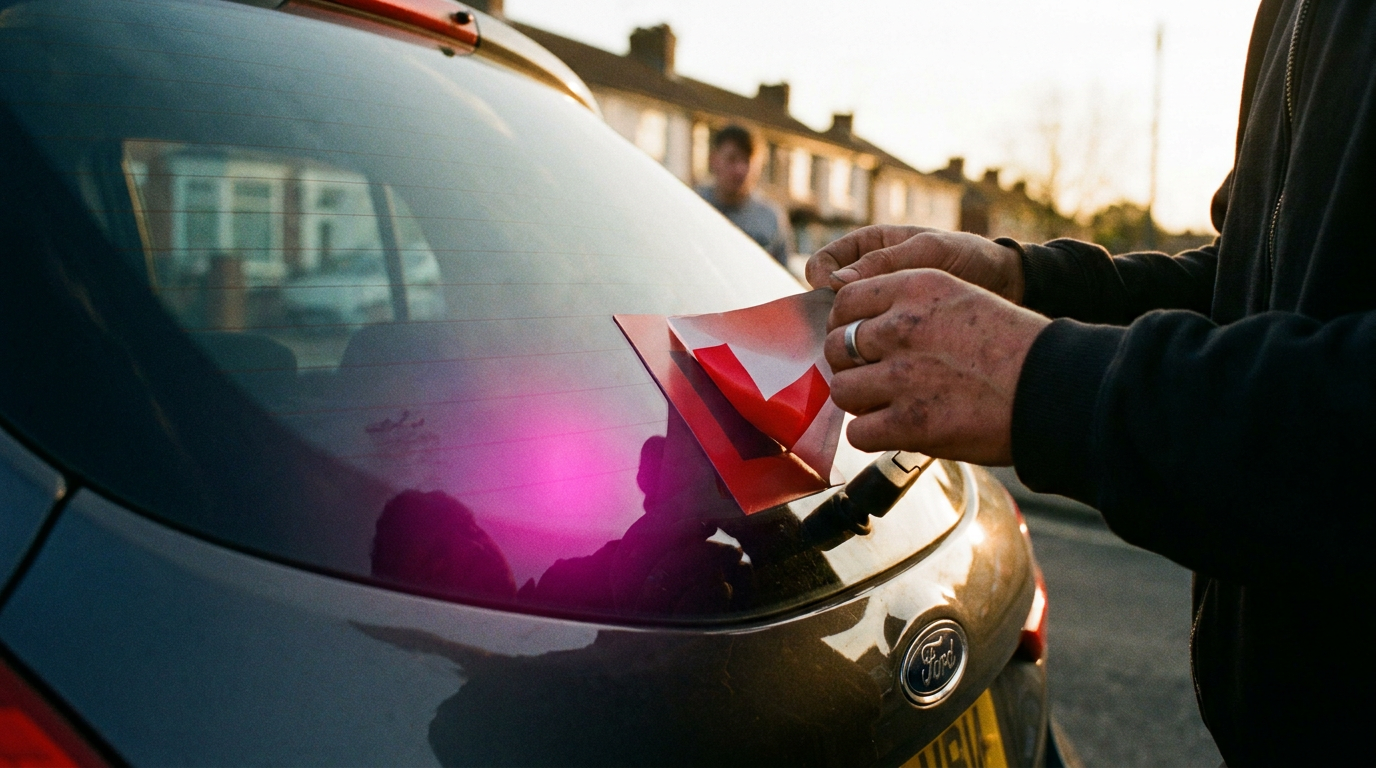
You must display L plates on the front and back of the vehicle, or D plates if you’re learning in Wales.
Some insurers require supervising drivers to be older than 21, so always check your policy conditions.
Learner drivers can only drive on motorways when accompanied by an approved driving instructor in a dual-control car.
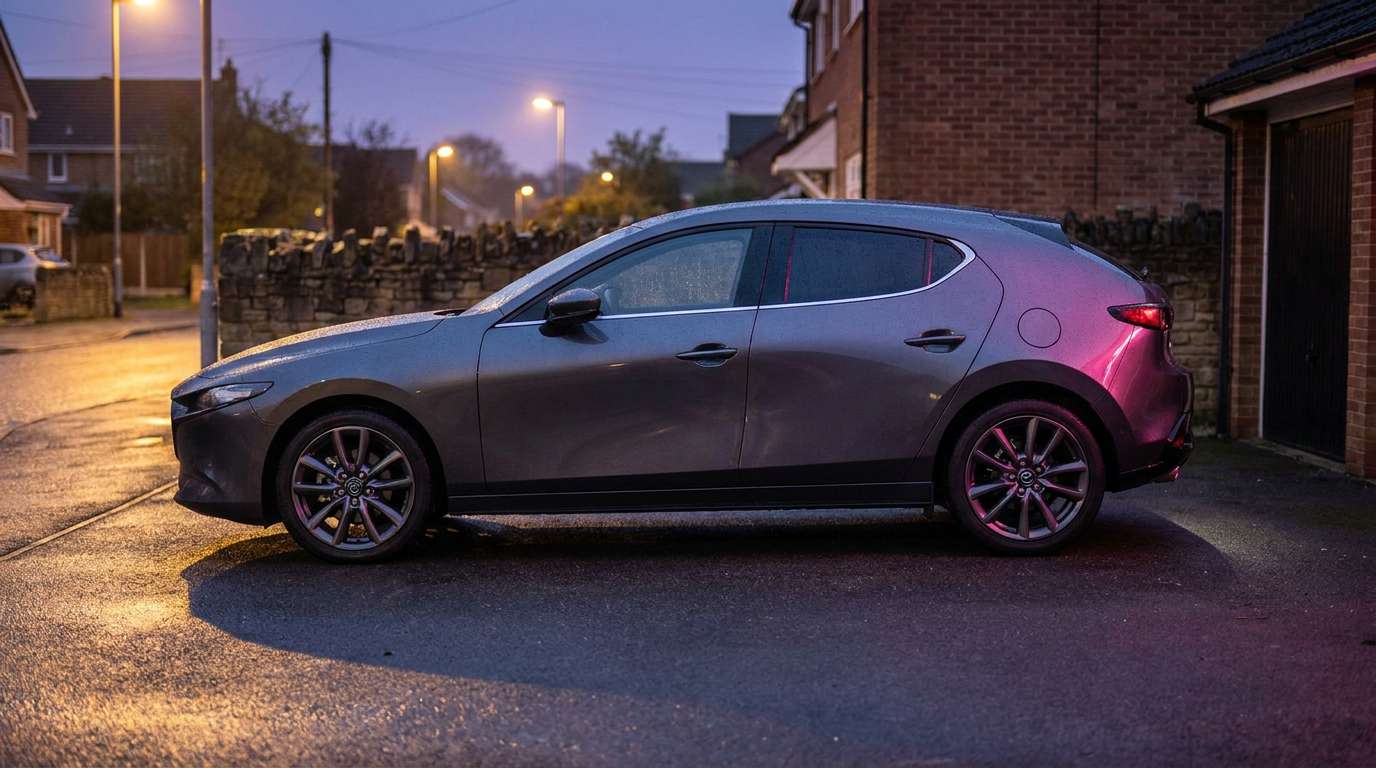
Stage 2: What happens to your car insurance when you pass at 17?
Passing your driving test is a major achievement, but your insurance needs will change as soon as you become a full licence holder.
Some learner insurance policies automatically end when you pass your test, meaning you’ll need to arrange new insurance before driving independently.
However, with eligible A Choice annual learner driver policies, you may be able to continue your existing insurance after passing your test.
Rather than automatically cancelling your policy, your insurer can assess the change from a provisional to a full licence.
You must notify A Choice immediately after passing. Continuing cover is subject to underwriting acceptance, policy terms and potentially an additional premium.
This can make the transition from learner to newly qualified driver more straightforward.
Important: Never assume you can drive independently under your existing learner policy after passing. Always wait until your insurer has confirmed your updated cover.
For more information, read our guide on what happens when you pass your driving test.
If you’re looking for insurance as a newly qualified driver, explore our young driver insurance options.
What affects the price of car insurance at 17?
Car insurance can be more expensive for 17-year-olds because insurers generally consider younger, less experienced drivers to present a higher risk.
However, the price you pay will depend on your individual circumstances.
The car you drive
Your car’s make, model, engine size, value and insurance group can all affect the price.
Choosing a car in a lower insurance group may help reduce your premium, although other factors also influence the cost.
Where you live
Your postcode and where you keep your car overnight can influence your insurance quote.
Your annual mileage
Insurers may consider how many miles you expect to drive each year. It’s important to provide a realistic estimate rather than deliberately understating your mileage.
Your driving experience
Whether you hold a provisional or full licence, and how much driving experience you have, can affect your insurance premium.
Your policy type
Annual and short-term learner insurance work differently, while newly qualified drivers may have a choice of standard and telematics policies.
Your excess
The excess is the amount you’re responsible for paying towards a claim, where applicable.
Some policies have higher compulsory excesses for young or inexperienced drivers, so it’s important to check the total excess rather than comparing prices alone.
Remember: The cheapest car insurance quote isn’t always the most suitable. Consider the policy benefits, excess and restrictions before making your decision.
Should a 17-year-old choose black box insurance?
Black box insurance, also known as telematics, uses technology to monitor aspects of your driving.
This may involve a device fitted to your vehicle or an app on your phone. Depending on the policy, telematics can monitor factors such as speed, braking, mileage and the times you drive. Some policies have restrictions or conditions that could affect your premium or cover, so it’s important to read the terms carefully. Not all 17-year-olds need black box insurance.
A Choice offers learner driver insurance options without a black box while you’re learning, and both telematics and non-telematics options may be available to newly qualified drivers depending on their circumstances.
Find out more in our telematics questions and answers.
Be honest when applying for car insurance
Whether you’re arranging your first learner policy or insurance after passing your test, it’s important to answer all questions accurately.
Insurers will ask about your personal circumstances, driving history and vehicle.
You must also be honest about who will drive the car most frequently.
For example, naming a parent as the main driver when their 17-year-old child is actually the main user is known as fronting.
Fronting is a form of insurance fraud and can have serious consequences, including claims being refused, policies being cancelled or treated as invalid, and potential prosecution.
Always make sure the information you provide accurately reflects how the vehicle will be used.
What are the rules for newly qualified drivers?
Once you’ve passed your driving test, you’ll be able to drive independently as long as you have valid insurance and meet the legal requirements.
However, newly qualified drivers are subject to additional rules regarding penalty points.
Under the New Drivers Act, your licence will be revoked if you accumulate six or more penalty points within the first two years after passing your first driving test.
Any valid penalty points received while holding a provisional licence also count towards this total.
If your licence is revoked, you’ll need to apply for a new provisional licence and pass both your theory and practical driving tests again before regaining your full licence.
Frequently asked questions about car insurance for 17-year-olds
Can a 17-year-old get car insurance in their own name?
Yes. A 17-year-old can take out car insurance in their own name, subject to the insurer’s eligibility requirements.
You can arrange learner driver insurance while holding a provisional licence and suitable car insurance once you’ve passed your test.
Can I insure my own car at 17 while learning?
Yes. If you have your own car, you can arrange learner driver insurance that allows you to practise while being supervised by a qualified driver.
Find out more about learner driver insurance on your own car.
Can I build a No Claims Bonus at 17?
Yes, some annual learner driver insurance policies allow you to start building a No Claims Bonus while learning.
This could be useful when arranging future insurance, although acceptance of any No Claims Bonus depends on the insurer’s rules.
Do I need a new insurance policy when I pass my test?
Not always.
Some learner policies automatically end when you pass. However, eligible A Choice annual learner policies may allow you to continue your existing insurance after passing, subject to underwriting and any additional premium.
Always contact your insurer and confirm your updated cover before driving independently.
Is car insurance cheaper with a black box at 17?
A telematics policy may be cheaper for some young drivers, but this isn’t guaranteed.
The price depends on your circumstances and the policy available, so it’s worth comparing both black box and standard insurance options.
Can I be added to my parents’ car insurance at 17?
Many insurers allow 17-year-olds to be added as named drivers on a parent’s policy.
However, eligibility and pricing vary, and you must accurately declare who uses the car most frequently.
Get car insurance at 17 with A Choice
Whether you’re learning to drive or have just passed your test, A Choice specialises in insurance for learner and young drivers.
We offer options for 17-year-olds at different stages of their driving journey, including annual learner insurance, short-term learner cover and insurance for newly qualified drivers.
With eligible annual learner policies, you may be able to start building a No Claims Bonus while learning and continue your cover after passing, subject to underwriting and policy terms.
Ready to get a quote?
If you’re still learning, explore our learner driver insurance options.
Already passed? Visit our young driver insurance page to find suitable cover.