Brake maintenance is one of the most important parts of vehicle safety, yet many drivers overlook how often to change brake fluid and replace brake pads until warning signs appear. Over time, brake pads wear down and brake fluid absorbs moisture, reducing braking performance and increasing stopping distances.
Most manufacturers recommend changing brake fluid every 2 years and replacing brake pads every 25,000 to 70,000 miles, although driving style, vehicle type, and road conditions can significantly affect wear.
Understanding recommended brake fluid change frequency, minimum brake pad thickness, and common warning signs like squeaky brakes can help improve safety, reduce long-term repair costs, and keep your vehicle performing properly in everyday driving conditions.
Why brake maintenance matters?
Your braking system is your vehicle’s most important safety feature. Whether you are commuting, driving in heavy traffic, or travelling at motorway speeds, your brakes directly affect your ability to stop safely and avoid collisions.
Your braking system relies on two key components:
- Brake pads create the friction needed to slow the wheels.
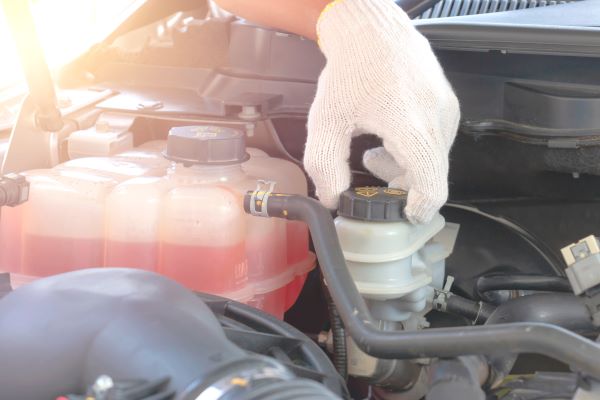
- Brake fluid transfers force from the brake pedal through the hydraulic braking system.
Over time, both components naturally degrade.
What Happens When Brake Pads Wear Out?
Worn brake pads reduce braking performance and can eventually damage the brake discs. If left too long, metal components may begin grinding together, leading to expensive repairs and increased stopping distances.
Why Brake Fluid Degrades
Brake fluid is hygroscopic, meaning it absorbs moisture from the surrounding air. As moisture contamination increases:
- The fluid’s boiling point drops
- Braking efficiency decreases
- Brake fade becomes more likely under heavy braking
- Emergency stopping performance may suffer
Neglecting brake maintenance can increase stopping distances, contribute to MOT failures, and create serious safety risks in wet or high-speed driving conditions.
How often to change brake fluid?
One of the most common maintenance questions drivers ask is how often brake fluid should be changed.
Most manufacturers recommend:
- Every 2 years
- Or every 20,000 to 30,000 miles
However, exact intervals can vary depending on your vehicle manufacturer and driving conditions.
Why Brake Fluid Change Frequency Matters
Brake fluid operates under extremely high temperatures and pressure. Over time, absorbed moisture lowers the fluid’s boiling point, reducing braking efficiency and increasing the risk of brake fade.
Even if you drive relatively low mileage, brake fluid still degrades over time, which is why time-based servicing is important.
Signs your brake fluid may need replacing
Watch for these common warning signs:
- Soft or spongy brake pedal
- Reduced braking responsiveness
- ABS or brake warning light
- Dark or dirty brake fluid
- Burning smell after heavy braking
If you notice any of these symptoms, it is important to have your braking system inspected as soon as possible.
How Often Should You Replace Brake Pads?
Brake pad lifespan varies significantly depending on driving style, traffic conditions, vehicle weight, and braking habits.
Most brake pads typically last between:
- 25,000 – 70,000 miles
Urban driving with frequent stopping tends to wear pads faster than motorway driving.
Electric and hybrid vehicles may experience reduced brake pad wear due to regenerative braking systems, although inspections are still essential.
Front vs Rear Brake Pads
Front brake pads usually wear faster because the front braking system handles more stopping force during braking.
As a result:
- Front pads may need replacing sooner
- Rear pads often last longer
- Uneven wear can indicate braking system issues
Minimum Brake Pad Thickness
Brake pad thickness is one of the clearest indicators of wear.
- New brake pads are usually around 10–12mm thick
- Replacement is generally recommended at 3mm thickness
Driving below the minimum brake pad thickness significantly reduces braking performance and increases the risk of damaging the brake discs.
Signs Your Brake Pads Need Replacing
Knowing the warning signs of worn brake pads can help prevent more serious braking problems.
- Squeaky Brakes or Brake Squeal
A high-pitched squealing sound is often the first indication that brake pads are becoming worn.
Many modern brake pads include built-in wear indicators designed to create this sound intentionally when replacement is needed.
- Grinding Noises
Grinding noises usually indicate the brake pads are completely worn down, causing metal-on-metal contact.
This requires immediate attention because it can quickly damage brake discs and dramatically reduce braking efficiency.
- Longer Stopping Distances
If your vehicle takes longer to stop than normal, worn brake pads or degraded brake fluid may be affecting braking performance.
- Vibrations While Braking
Vibrations through the brake pedal or steering wheel can indicate:
- Uneven brake pad wear
- Warped brake discs
- Brake system imbalance
- Dashboard Brake Warning Lights
Some modern vehicles include electronic brake wear indicators that trigger dashboard warning lights when pads require replacement.
Brake Fluid & Brake Pad Replacement Costs
Understanding brake pad replacement cost and brake fluid servicing costs can help you budget for essential maintenance.
Brake Fluid Change Cost
According to average quote data from FixMyCar(Formerly WhoCanFixMyCar) the typical UK brake fluid servicing costs range from:
- £58 – £65
Some garages include brake fluid replacement as part of a major service.
Brake Pad Replacement Cost
The cost of replacing your front and rear brake pads will vary depending on your car and chosen garage.
Costs vary depending on:
- Vehicle make and model
- Labour rates
- Parts quality
- Premium or performance braking systems
Delaying maintenance can increase costs significantly because worn pads may damage the brake discs.
According to UK garage quote data FixMyCar (formaly WhoCanFixMyCar)
Average UK brake pad replacement costs are typically:
| Service | Typical UK Cost |
| Front brake pads | £127 |
| Rear brake pads | £121 |
| Front pads and discs | 439 |
DIY vs Professional Brake Maintenance
Some drivers choose to replace brake pads or change brake fluid themselves, while others prefer professional servicing.
DIY Brake Maintenance
Pros
- Lower upfront cost
- Flexibility to complete the work at home
- Greater control over parts selection
Cons
- Requires specialist tools and knowledge
- Incorrect installation can compromise safety
- Brake fluid handling requires care because it is corrosive
- Improper brake bleeding can reduce braking performance
Brake maintenance should only be attempted if you are confident working on vehicle braking systems.
Professional Brake Servicing
Using a qualified mechanic or garage is generally the safest option.
Pros
- Professional diagnostics and inspections
- Correct brake bleeding procedures
- Warranty on labour and parts
- Improved peace of mind
- MOT-ready inspections
Cons
- Higher upfront cost compared with DIY repairs
For most drivers, professional servicing is recommended because braking systems are critical to vehicle safety.
How Brake Maintenance Affects Stopping Distance
Well-maintained brakes play a major role in safe stopping distances.
Poor brake maintenance can increase the distance your vehicle needs to stop, especially in wet weather or emergency braking situations.
Typical Stopping Distances
| Speed | Approximate Thinking + Braking Distance |
| 30 mph | 23 metres |
| 50 mph | 53 metres |
| 70 mph | 96 metres |
Worn brake pads, contaminated brake fluid, and reduced braking efficiency can increase these distances significantly.
This is particularly dangerous at motorway speeds where every metre matters.
DIY Brake Checks You Can Perform
Although major brake work should often be left to professionals, there are several simple checks drivers can perform at home.
Check for:
- Squealing or grinding noises
- Brake warning lights
- Brake fluid levels
- Uneven braking performance
- Vibrations while braking
- Visible brake pad wear through alloy wheels
Regular inspections can help identify issues before they become serious.
Final Thoughts
Regular brake maintenance is essential for vehicle safety, braking performance, and long-term repair costs.
Understanding brake fluid change frequency, knowing how often to replace brake pads, and recognising warning signs like squeaky brakes or longer stopping distances can help prevent more serious problems later.
If you are unsure about the condition of your braking system, it is always safest to arrange a professional inspection. A relatively small maintenance cost today can help prevent dangerous braking issues in the future.